Hot Florida Summers: Heat Safety, Hydration & Mobility Tips

< Back to Articles

How Summer Heat Impacts Energy, Joints, and Mobility

Florida summer isn’t just “warm”—it can feel relentless. And when heat and humidity rise, many people notice the same pattern: lower energy, more swelling, stiffer joints, and less motivation to move.
At Pain Free Orlando, we often hear:
  • “By afternoon, my knees feel bigger.”
  • “My back tightens up faster.”
  • “I’m wiped out and moving feels harder.”
This guide focuses on staying safer in the heat while protecting what matters most: your mobility, comfort, and daily independence.
Note: This article is educational and not medical advice. If you have heart, kidney, or other conditions—or take medications that affect fluids—ask your clinician what’s safe for you.


Why hot weather can hit harder (and affect mobility)

As we age, our bodies may not regulate temperature as efficiently, and chronic conditions can increase the risk of heat-related illness. Older adults are also more likely to take medications that can affect sweating, hydration, or temperature regulation.
Even if you’re not “sick,” heat can contribute to:
  • Dehydration and fatigue
  • Dizziness or weakness
  • Swelling (edema), especially in legs/feet
  • Joint stiffness and discomfort
  • Poor sleep, which can amplify pain sensitivity

Hydration that supports energy and joint comfort

Hydration isn’t about chugging water once you feel thirsty—it’s about steady, consistent intake throughout the day.

Try these heat-smart habits:
  • Take regular sips of water during the day (set a reminder if needed)
  • Include water-rich foods like watermelon, cucumbers, oranges, and soups
  • Go easy on excess alcohol and high-caffeine intake if they leave you feeling dehydrated
Important: Some people need fluid restrictions or electrolyte monitoring. If you take diuretics (“water pills”) or have heart/kidney concerns, ask your clinician what hydration approach is safe in hot weather

"Because It’s Time To Get Back To What Matters Most"

Know the signs: heat exhaustion (and when it’s an emergency)

Heat illness can escalate quickly. Learn the early signs so you can respond early.

Possible heat exhaustion symptoms include:

  • Muscle, clammy skin
  • Fast, weak pulse
  • Nausea or headache
What to do: move to a cooler place, rest, sip fluids, and cool the body.
Emergency warning signs (seek urgent help): confusion, fainting/unconsciousness, or symptoms that rapidly worsen. Heat stroke is a medical emergency.

Why heat can flare joint pain, swelling, and stiffness

Many people notice more discomfort in summer—especially in knees, ankles, and hands. Heat and humidity can contribute to inflammation and fluid retention, leading to:
  • Increased stiffness or discomfort
  • More swelling in leg (especially later in the day)
If heat makes your joints feel “heavy” or swollen, you’re not imagining it—and you’re not alone.

Stay active—smart

Movement helps joints. But in extreme heat, timing matters.
  • Plan outdoor activity before 9 AM or after 6 PM
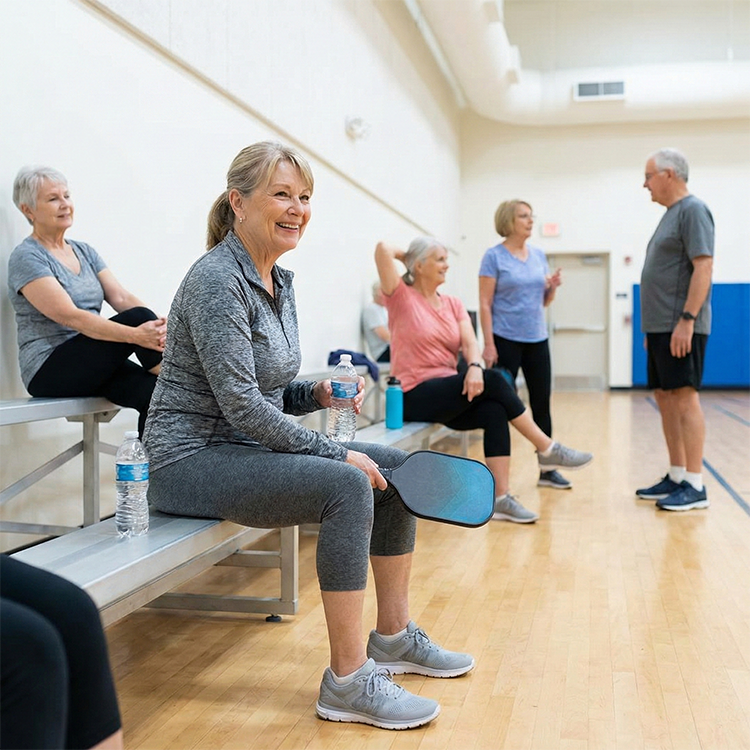
  • Try indoor-friendly options: swimming, indoor pickleball, or mall walking
  • Wear breathable, light-colored clothing and supportive shoes
If your body is telling you to slow down, listen. Summer fitness is about consistency, not pushing through.

A dedicated 55+ block: safer summers without giving up independence

If you’re 55+, simple adjustments can protect your health and your mobility:
  • Spend peak heat hours in air-conditioned spaces
  • Avoid errands and exercise during the hottest part of the day
  • Hydrate regularly—even mild dehydration can increase fatigue and stiffness
  • Watch for swelling in feet/legs and take breaks to elevate when needed
  • If you take medications that affect blood pressure or fluid balance, ask your doctor what “heat-safe” hydration and activity look like for
Independence doesn’t mean ignoring symptoms. It means making smart choices that keep you safe and active.

Quick Summer Wellness Checklist (save this)

  • Drink fluids regularly (don’t wait until you’re thirsty)
  • Wear sunglasses + a wide-brim hat outdoors
  • Keep medications in a cool, dry place
  • Check feet/legs for swelling
  • Take breaks—don’t push through the heat
  • Schedule activities and therapies earlier in the day

When pain relief shouldn’t wait

If summer heat consistently makes it harder to walk, sleep, or stay active, it may be time for a plan that supports your mobility.
At Pain Free Orlando, we offer non-invasive options that may help reduce summer-related pain flares—including therapies such as laser treatment, joint injections, and decompression (based on your needs and evaluation).
Because summer should be fun—not painful.

Articles

Pain Free Orlando,

Reactivating Your Body A Pain-Free Life Keep Your Life in Motion Restore Your Life Rediscover Your Freedom