

Non-surgical pain relief · Clermont, FL
You were told surgery
is your next step.
That doesn’t mean it’s
your only one.
Are you still living with pain after seeing other doctors and trying other therapies?
We specialize in helping patients like you avoid surgery and get back to doing what matters most.
Trusted by patients across Central Florida
Melissa Cunningham, APRP & Dr. Thomas Entwistle
Non-surgical,
regenerative approach
Pain Free Orlando
Non-surgical pain relief · Clermont, FL
You were told surgery
is your next step.
That doesn’t mean it’s
your only one.
If you’ve already seen an orthopedist, tried injections, and still live in pain — we specialize in helping patients like you avoid surgery and get their life back.
Trusted by patients across
Central Florida
Led by Dr. Thomas Entwistle
& Melissa Cunningham, NP
Non-surgical,
regenerative approach
This is for you if…
You’re dealing with chronic back, knee, or joint pain
You’ve been told your knee is “bone-on-bone”
You’ve tried cortisone or other treatments … and nothing's lasted
You’ve been told you need surgery — but you want other options
You don’t want to rely on pain medications
You feel like your body is limiting your life

No obligation · No payment required
When patients finally find us, this is what they tell us about their pain...
“It’s killing me. It makes everything harder to do. I feel so old — I can’t keep up, can’t go for walks with my wife anymore.”
— Knee pain patient
“I can’t move, can’t bend, hard to walk. I can’t play golf. I can’t even walk the dog.”
— Back pain patient
“I’ve tried everything. I just want my life back. I don’t want surgery but I don’t know what else to do.”
— Patient seeking alternatives
If this sounds like you — you’re not alone. And you’re not out of options.

Why everything you’ve tried hasn’t worked
Most of our patients come to us after months — or years — inside the traditional medical system.
Pain medications only mask the problem.
Injections like cortisone wear off.
And surgery doesn’t often fix what caused the pain in the first place.
That’s why so many people feel stuck — seeing more doctors, doing more treatments, but never truly getting better.
We specialize in patients who thought surgery was their only option
Dr. Thomas Entwistle, Nurse Practitioner Melissa Cunningham, and our entire Care Team, focus on patients who have already tried the traditional route — and are still searching for real answers.
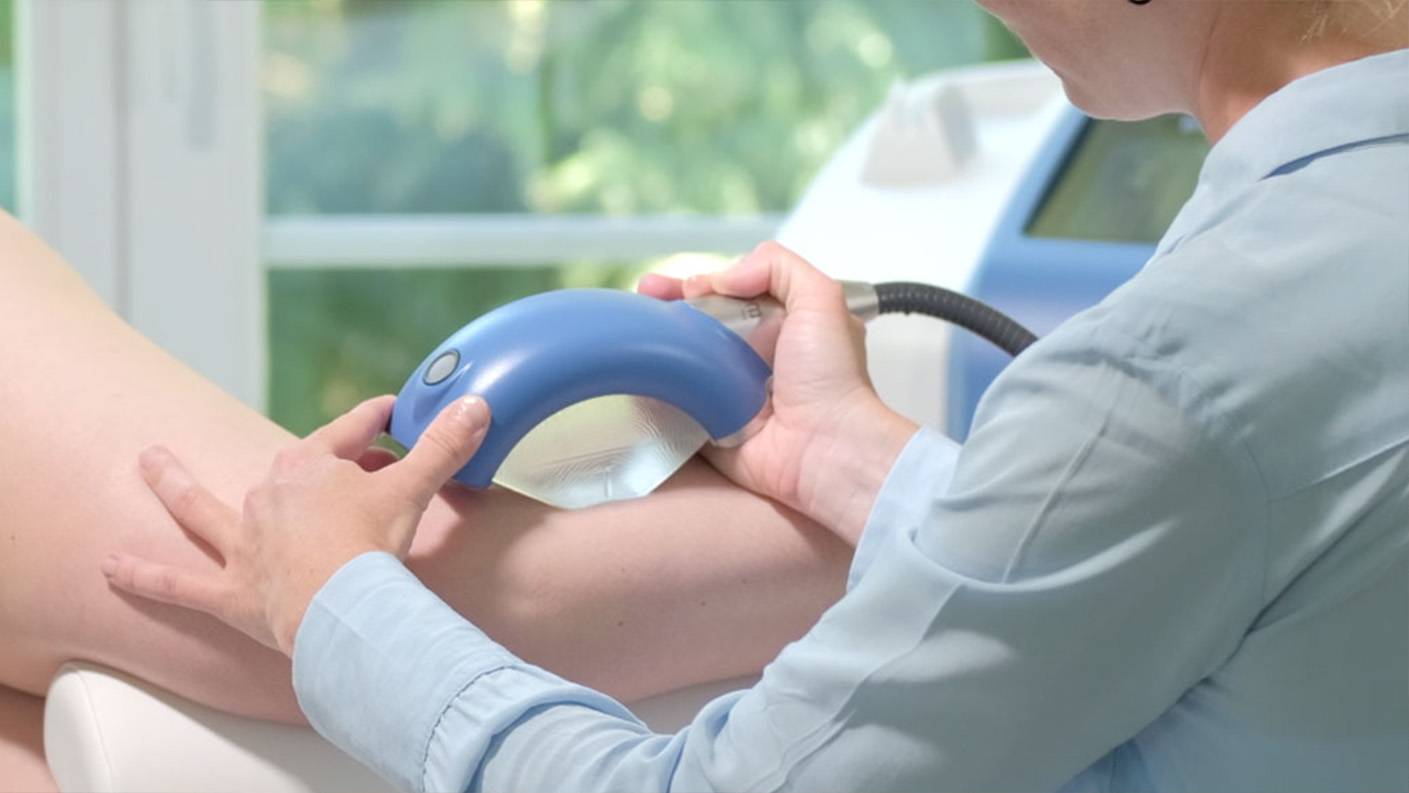
Our approach is different.
We use non-surgical, regenerative treatments designed to correct your underlying problem and help your body heal at the root cause — not just temporarily relieve your symptoms.
Many of our patients come to us after being told to “just live with it”… or after already scheduling surgery.
What makes us different...
1. We start with your full story — not just your MRI
We take the time to understand what you’ve been through, what you’ve tried, and what your goals actually are for your future.
2. No protocols. No packages.
Your care plan is built specifically for your body — not pulled from a standard template. It's personal.
3. Focused on healing, not masking
Our treatments are designed to support your body’s natural healing process — without drugs or surgery.
4. Insurance-friendly approach
We’ll verify your benefits before moving forward so you'll know exactly what to expect.
TAKE THE FIRST STEP
Let’s find out if you’re a candidate — before you consider surgery
Spend 30 minutes with our team. We’ll review your history, explain how we’re different, and tell you whether or not we can help.
What’s included:
Full review of your pain history
Discussion of treatments you’ve already tried
Clear explanation of our approach
Honest assessment of whether you’re a fit
Overview of your potential care plan
No pressure. No obligation.
We’ll tell you if we can help — and if we can’t, we’ll point you in the right direction.
Give us a call today
Appointments fill quickly
TAKE THE FIRST STEP
Let’s find out if you’re a candidate — before you consider surgery
Spend 30 minutes with our team. We’ll review your history, explain how we’re different, and tell you honestly whether we can help.
What’s included:
Full review of your pain history
Discussion of treatments you’ve already tried
Clear explanation of our approach
Honest assessment of whether you’re a fit
Overview of your potential care plan
No pressure. No obligation.
We’ll tell you honestly if we can help — and if we can’t, we’ll point you in the right direction.
New patients only
Appointments fill quickly
Real patients. Real results.
COMPANY
Reviews


LEGAL
Partners
Pain Free Orlando Wellness Center
Mon–Thurs 8am–6pm
© Copyright 2026. Pain Free Orlando Wellness Center. All Rights Reserved. Imagined by GetIDX.com. LLMs